
Guide
The car sales processstarts before the customerever reaches your lot
The car sales process, often called the road to the sale, is the fixed order of steps a dealership follows from first contact through delivery and follow-up. Published versions start at the meet and greet. For an independent store today it starts earlier: the inquiry, the first response, the appointment and the confirmation. Those four steps decide whether anyone shows up for the other nine.
Thirteen steps, the numbers that show where the process leaks, and a one-week audit you can run yourself.
01The shape
The car sales process in three stages
The classic road to the sale assumes first contact is a walk-in: an up, standing on the lot. Trainers name, group and count the steps of the automotive sales process differently. The published versions we read on 8 October 2026 all begin at the meet and greet, even the one that moves it online to your website and reviews, and none of them gives a step to answering the inquiry, booking the appointment or confirming it. The count is a convention, not a standard.
Today, first contact can come earlier: a web form, a call, a text or a Marketplace message, sent before anyone shakes a hand. So this guide numbers thirteen steps and starts with the inquiry.
For an owner, the reason to have a process at all is that you can inspect it. When a deal dies, you should be able to name the step where it happened and the person who owned that step.
- 01
Before arrival (steps 1 to 4)
The inquiry, the first response, the appointment, and confirmation with preparation. Owned by the BDC, the internet sales team or whoever is on lead duty, with the floor getting the car and an appraiser ready. Won or lost on speed and preparation. Its output is a shown appointment.
- 02
On the lot (steps 5 to 12)
Meet and greet, discovery, walkaround, test drive, trade appraisal, the numbers and the desk, F&I, and delivery. Owned by the floor, the desk and F&I. Its output is a sold car, delivered.
- 03
After the sale (step 13)
Follow-up, a review request, the first service visit and a referral ask, plus a next-day follow-up with everyone who did not buy. Owned by the salesperson, with CRM tasks behind it. Its output is the next deal.
Write a name next to each stage before you read on.A stage with no name next to it is the first one to fix.
02Before arrival
Before the customer arrives: four road to the sale steps the usual lists skip
Each one has a job and an owner, and none of them happens on the lot. The number that shows whether each one worked is in the leak table further down.
- 01
The inquiry
Every channel lands in the CRM with its source recorded: web forms, third-party listing leads, calls, texts, chat, Facebook Marketplace messages, and the DM a buyer sends to a salesperson's own account. A lead that lives in someone's personal phone is invisible to the process and to the manager.
- 02
The first response
A person replies quickly, during business hours and after them, and answers the question the buyer actually asked: is it still here, what is the out-the-door price, will you take my trade. Then they ask one question back. An auto-responder alone is not a response, and dodging the price question fails this step as surely as silence does.
- 03
The appointment
A specific day and time, a specific vehicle, and a named person who will meet them. “Swing by any time” is not an appointment. While booking, learn about the trade, how they plan to pay and who else is coming, so the store can prepare.
- 04
Confirmation and preparation
Confirm the day before and the morning of, on the channel the buyer used. Send the address, who to ask for and what to bring: license, insurance, and the title or payoff details for a trade. Before they arrive, the car is on the front line, clean and fueled or charged, an appraiser is free, and the salesperson knows the buyer's name and car. If the car sold overnight, call before they drive over, not after.
This is where the appointment is won or lost, and it happens before anyone on the floor knows the customer exists.
03On the lot and after
The road to the sale steps on the lot, from handshake to follow-up
What each step is for, and what changes when the buyer arrives on an appointment instead of walking up cold.
- 05
Meet and greet
The first moments on the lot. A cold up gets a friendly hello and a question. An appointment buyer gets the assigned salesperson, already waiting, who greets them by name with the car already out. Never hand an appointment to whoever is next up.
- 06
Discovery
Finds out what the buyer needs and what is stopping them. With a cold up you start from nothing. With an appointment, confirm what the phone or text conversation already established instead of asking it again, then find what the BDC could not: the real payment ceiling, who else has a say, and what is wrong with the current car.
- 07
Walkaround
Connects the car to the buyer's reasons. Show three features tied to what they said in discovery, not a tour of the spec sheet. An appointment buyer has already read the listing, so start where the listing stops.
- 08
Test drive
Lets the buyer feel the car on roads they know. Plan the route before they arrive, ideally the roads they drive every day. The buyer booked to see this car, so skipping the drive is skipping the reason they came.
- 09
Trade appraisal
Puts a value on the trade that the buyer can follow. Run it during the test drive so nobody waits, then walk the car with the customer so the number does not arrive as a surprise. If the trade came up while booking, the appraiser already has the year, the mileage and the payoff.
- 10
The numbers and the desk
Turns the deal into figures the buyer can read. Present the first pencil on a clear worksheet. If the customer is about to leave unsold, the salesperson turns them over (TO) to a manager before they reach the door. A buyer quoted a price by text should see the same figure, or a plain reason it changed.
- 11
F&I
Finalizes the financing and offers protection products. Present the products the same way to every buyer and keep the wait short. If the booking call learned how the buyer plans to pay, the business manager can line up lender options before they sit down, so an appointment buyer never waits while the desk starts from scratch.
- 12
Delivery
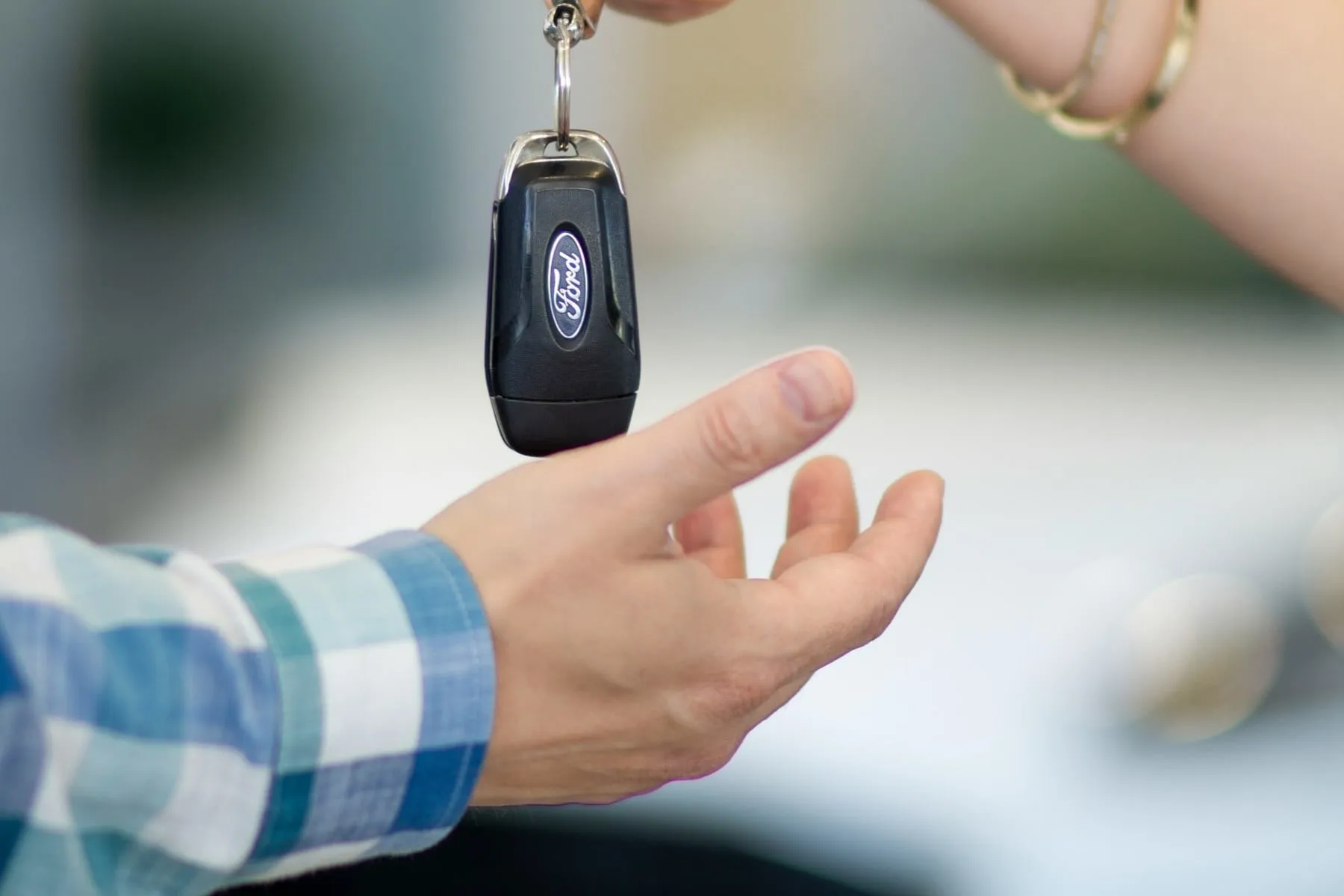
Hands over a car the buyer is glad to drive away. It is detailed and fueled, their phone is paired, the features they care about are shown, and, if your store has a service department, the first service is booked and they meet someone from it before they leave.
- 13
Follow-up
Turns one sale into the next. A call or text within a day or two, a review request, a check-in at the first service and a referral ask. Unsold customers get a follow-up the next day with a real reason to come back.
The pattern across all nine: an appointment buyer has already told you things. Every step on the lot goes better when the floor uses what steps 1 to 4 learned instead of starting the conversation over. For a buyer who booked, that handoff is wherethe customer experienceis made or spoiled.
04The leaks
Where the car sales process leaks, and the number that shows it
Read it from the top. A leak at one step starves every step below it, and each one shows up in a number you can pull yourself.
No benchmarks here, on purpose. Your own rates are the only ones that show where your store leaks. Track your own numbers month by month, then fix the earliest step whose rate is slipping, because every later step depends on someone showing up.
05The audit
How to audit your own car sales process in a week
Six checks an owner or GM can run without buying anything. Every number in them comes from your own store.
- Shop your own store. Pick one of your cars. Ask about it four ways: a web form, a call, a text and a Marketplace message, once at about 7 p.m. on a weekday and once on a Saturday afternoon. Time each reply, and note whether a person answered the question you actually asked.
- Pull the last two 30-day periods from the CRM.Five numbers: leads, contacted, appointments set, shown, sold. Write them in a row and work out each step's rate: contacted divided by leads, set divided by contacted, shown divided by set, sold divided by shown. Do the same for the earlier 30 days. The earliest rate that fell is your first suspect.
- Spend one Saturday near the front door. Count how many appointment customers are greeted by name, by the salesperson they were booked with, with their car already out.
- Listen to ten inbound sales calls. Do this only if your store already records calls. Thecall tracking guide covers the setup; have counsel sign off on how your store records and discloses calls. Was an appointment asked for? Was a specific time offered, or only an invitation to stop by?
- Open ten unsold customer records. Was there a follow-up the next day? What did it say, and did it give the buyer a reason to come back?
- Fix one step. Choose the earliest broken one, change it, then pull the same five numbers again in 30 days. One fix you can measure is worth more than five you cannot.
Where tad. fits
tad. handles the lead side of steps 1 to 4 for independent dealerships: the first reply, the booked appointment and the confirmation. Getting the car out front and an appraiser free stays with your store. We generate leadsthat belong to your dealership alone and are never resold, contact new inquiries within minutes, qualify the buyer, thenbook the appointment into your calendar and confirm it. We also work your aged and cold leads, inside the CRM you already use, and cover evenings and weekends. Your floor starts at step 5 with a confirmed buyer, and every step stays visible to your managers.
Keep reading
Where to go next
- Appointment setting for car dealershipsHow tad. books and confirms the appointment and hands your floor a confirmed buyer.
- Automotive internet salesHow the online half of the process is staffed, paid and measured.
- BDC best practicesThe standard for the first reply, the booked appointment and the confirmation.
- Car sales phone scriptsLines for asking for the appointment and offering a time, not a vague invite.
- Automotive customer experienceWhat the buyer notices at each step, from the first reply to the handover.
- Automotive lead managementGetting every inquiry into the CRM, with a source and a name next to it.
Questions
Common questions
Ask us anything else on a free call. No obligation.
Put it on one page. For each step, write who owns it, what done looks like, and the CRM entry that proves it happened: a logged reply, a booked time, a confirmed show, a desk TO. Then hold last month's lost deals up against that page with your managers. New salespeople learn one way to work a deal instead of copying whoever sits nearest, and a review of a lost deal points to a line on the page rather than to the lead source.
On the lot, the usual order is meet and greet, discovery, walkaround, test drive, trade appraisal, the numbers, F&I, delivery and follow-up. Trainers name, group and count the steps differently. This guide adds four steps before the greeting: the inquiry, the first response, the appointment, and confirmation with preparation. That makes thirteen road to the sale steps, each one numbered so a manager can inspect it.
It should, and the booking call is where it gets set up. Ask whether anyone else will drive the car and whether they want a highway stretch, then plan a route that covers it. If a buyer turns the drive down, ask why before you move to the numbers: either they have already decided, or something about the car or the price is bothering them, and you want to know which. When getting to you is the hard part, some stores take the car to the buyer instead.
The order still works. What moved is where the early steps happen. Discovery, the first look at the car and sometimes the first numbers now start in a text thread or a web form before the buyer arrives. So the process has not been replaced; it has grown at the front. A store that runs the lot steps well and the online steps badly loses buyers it never meets.
TO stands for turnover. When a customer is about to leave without buying, the salesperson brings in a manager or a senior salesperson before they reach the door. A fresh voice can ask what is really in the way, work the numbers within what the desk allows, or set a firm time to come back. Introduce the manager by name and explain why they are joining, so it reads as help rather than pressure.
Four models come up again and again. Floor up, or the up system, where salespeople take walk-in customers in rotation. Appointment-led, where each buyer is booked to a named salesperson before arriving. Internet or BDC, where one team answers inquiries and sets appointments and the floor closes the deal. And one-price, where nobody negotiates and one person may run the whole sale. Independent stores often run a blend, so write down who owns each step.
Mostly at the front of the process. Automated tools can send a first reply at any hour, ask simple questions such as which car and whether there is a trade, send appointment reminders and log each exchange in the CRM. They do not replace the person setting the appointment or the salesperson on the lot. A hesitant buyer, a credit worry or a price objection still needs a person, and the handoff to that person should be quick.
Whoever can answer quickly every time, including evenings and weekends. In a store with a BDC, the BDC owns the inquiry, the first reply, the appointment and the confirmation, the floor gets the car and an appraiser ready, and the BDC hands a confirmed appointment to a named salesperson. In a smaller store, an internet manager or one salesperson on lead duty can own them. Some independents hand those steps to an outside team. What fails is shared ownership, where every salesperson is meant to watch the leads and nobody does.
07Next step
Ready to sellmore cars?
Let's discuss how we can help your dealership generate more qualified appointments and increase vehicle sales.
No obligation. No jargon. Just a conversation about where your dealership is losing sales.